Heyo
Badhalu
5 Regions. 1 Nation. Our Future.
Power closer to the people. Equal opportunities for every island. A stronger, fairer and united Maldives.
People First
Putting the needs of every community at the center of governance.
Equal Development
Balanced growth across all regions and islands.
Good Governance
Transparent, accountable and decentralized leadership.
Stronger Together
Uniting as one nation with respect for our diversity.
Sustainable Future
Building a resilient Maldives for generations to come.
Draft Constitution
A proposed decentralised Semi-Presidential Republic model that ensures government accountable to the people, fair development across all regions, and protection of fundamental rights.
Preamble
"We, the people of the Maldives, affirming our Islamic identity, sovereignty, and unity as one nation of islands, committed to democracy, justice, and decentralised governance, do hereby establish this Constitution to ensure government accountable to the people, fair and balanced development across all regions, protection of fundamental rights and freedoms, and stability through shared and limited powers."
The State
The Maldives shall be a sovereign, democratic, decentralised republic. Sovereignty resides in the people and Islam shall be the religion of the State.
Articles Covered
1-4
Proposed Government Structure
A Semi-Presidential system with balanced powers between the President, Prime Minister, and a bicameral Parliament representing all 5 autonomous regions.
Head of State
President
The President represents national unity and is directly elected by the people for a 5-year term (maximum two terms).
Election
Directly elected by the people for 5 years (Max 2 terms)
Powers
The President shall not exercise executive administrative control over day-to-day governance.
Head of Government
Prime Minister
The Prime Minister leads government policy and administration, elected by the lower house of Parliament.
Election
Elected by Parliament, Responsible to Parliament
Powers
Parliament may remove the Prime Minister only through a constructive vote of no confidence (a successor must be elected simultaneously).
Key Principles
Unity in Diversity
Power Closer to the People
Fairness & Equality
Transparency & Accountability
Sustainable Development
Peace, Stability & Justice
5 Regions. 1 Nation. Our Future.
A stronger Maldives is not built from one city, but from all its islands. The Semi-Presidential system brings power closer to the people with opportunities for every island.
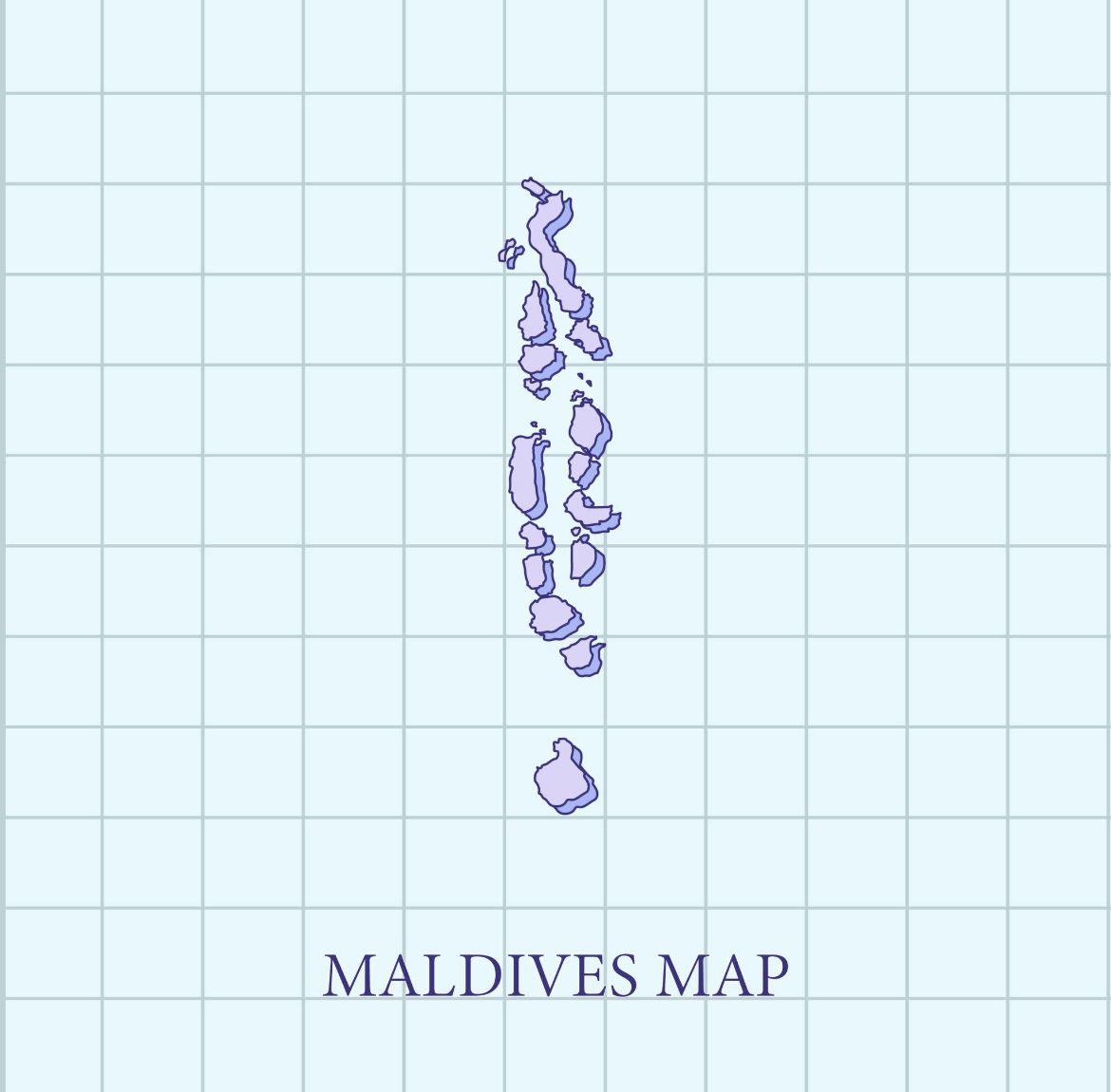
Regional Government Powers (5 Autonomous Regions)
Regional Assembly
Elected representatives from each of the 5 regions
Executive Authority
Regional government administration
Autonomy Protection
Powers cannot be reduced except by constitutional amendment
Regional Finance
Regions may collect taxes as defined by law
Fiscal System
National Revenue
Generated from all sources
Shared Revenue Model
Transparent formula-based sharing between Central Government and 5 Regions
Equalisation Fund
Ensures fair development across all regions and communities
Independent Institutions
Elections Commission
Free, Fair & Independent Elections
Anti-Corruption Commission
Promote Integrity & Fight Corruption Without Fear or Favor
Auditor General
Ensure Accountability & Transparency in Public Finance
These institutions shall operate independently and be protected from political control.
Our Vision
"A stronger Maldives is not built from one city, but from allits islands."
5 Regions. 1 Nation. Our Future.
Fundamental Rights & Freedoms
Chapter II of the proposed Constitution guarantees fundamental rights including equality, freedom of expression, association, voting rights, and due process for all citizens.
Freedom of Expression
Right to hold opinions, express thoughts, and share information freely.
Article 27Freedom of Assembly
Right to peaceful assembly without prior permission from the state.
Article 32Protection from Discrimination
Equal protection under the law regardless of race, color, sex, or religion.
Article 17Right to Fair Trial
Access to courts and fair public hearing by an independent tribunal.
Article 42Right to Vote
Every citizen over 18 has the right to vote in elections by secret ballot.
Article 26Right to Work
Freedom to engage in any occupation, profession, or business.
Article 37Right to Education
Free primary and secondary education for all citizens.
Article 36Right to Health
Access to adequate and affordable healthcare services.
Article 23Right to Housing
Adequate and affordable housing for every citizen.
Article 23Right to Privacy
Protection of home, person, property, and correspondence.
Article 24Rights Come with Responsibilities
While the Constitution guarantees these rights, it also establishes that rights may be limited only to the extent necessary in a democratic society. Citizens are expected to exercise their rights responsibly and respect the rights of others.
Civic Duties & Responsibilities
Being a citizen of Maldives comes with responsibilities. These duties help maintain our democracy and build a stronger nation for future generations.
Uphold the Constitution
Respect and abide by the Constitution, which is the supreme law of the land.
Obey the Law
Follow the laws of the nation and encourage others to do the same.
Pay Taxes
Contribute to national development by paying taxes honestly and on time.
Defend the Nation
Be prepared to defend the country and its sovereignty when called upon.
Respect Others
Treat fellow citizens with dignity regardless of their background or beliefs.
Stay Informed
Keep updated on national affairs and participate in democratic processes.
Protect Environment
Preserve the natural environment and unique ecosystem of the Maldives.
Preserve Heritage
Protect and promote Maldivian culture, language, and national heritage.
A Citizen's Pledge
"As a citizen of the Republic of Maldives, I pledge to uphold the Constitution, respect the rights of my fellow citizens, participate in our democracy, and work towards the betterment of our nation and its people."
Elections & Voting
Free and fair elections are the cornerstone of democracy. Learn about the different types of elections in the proposed system and how to exercise your right to vote.
Presidential Election
Citizens directly elect the President as Head of State. The President represents national unity, conducts foreign affairs, commands the armed forces, and safeguards the Constitution. A candidate must receive more than 50% of votes to win; otherwise, a runoff is held.
How to Vote
Register
Ensure you are in the voter registry
Verify
Check your assigned polling station
Arrive
Go to your polling station on election day
Identify
Present your national ID card
Vote
Mark your ballot in secret
Submit
Place ballot in the sealed box
Voter Eligibility: All Maldivian citizens aged 18 and above are eligible to vote. Make sure to register before the deadline!
Independent Elections: The Elections Commission ensures free, fair, and independent elections without political interference.
Demand Constitutional Reform
Join thousands of Maldivians calling for a decentralised, democratic government that serves all islands equally. Your signature matters.
Only 1,258 more signatures needed!
Add Your Signature
By signing, you agree that your name and island may be publicly displayed as a supporter of constitutional reform.
What We Demand
Establish a bicameral parliament with a People's Assembly and Regions Council
Create 5 autonomous regions with elected Regional Assemblies
Implement a Semi-Presidential system with clear separation of powers
Guarantee fiscal decentralisation with fair revenue sharing
Strengthen independent institutions for transparency and accountability
Recent Signers
Spread the Word
Share this petition with your family, friends, and community. Every signature counts!
Help Build a Better Maldives
Your contribution helps us educate citizens, reach remote islands, and advocate for a decentralised, democratic future for all Maldivians.
Choose Your Contribution
Your donation is secure and will be used for civic education initiatives.
How Your Donation Helps
Educational Materials
Print and distribute pamphlets, posters, and guides about the proposed constitution to all islands.
Community Workshops
Organize workshops and town halls where citizens can learn about decentralised governance.
Island Outreach
Travel to remote islands to ensure every Maldivian understands their democratic rights.
Digital Campaigns
Create videos, social media content, and online resources to reach younger generations.
100% Transparent: We publish quarterly reports showing exactly how donations are used. Every rufiyaa goes towards civic education.
Become a Member
Join Heyo Badhalu and be part of the movement for a decentralised, democratic Maldives. Whether you're a student or professional, your voice matters.
1,240+
Student Members
580+
Professional Members
45+
Islands Represented
320+
Active Volunteers
Benefits include:
- Access to educational workshops and seminars
- Student leadership training programs
- Exclusive study materials on Maldivian governance
- Network with fellow student advocates
- Certificate of membership
- Invitation to youth civic forums
Eligibility: Currently enrolled in school, college, or university
Benefits include:
- Full access to all Heyo Badhalu resources
- Professional development workshops
- Policy discussion forums and roundtables
- Opportunity to mentor student members
- Priority registration for events
- Voting rights in organizational matters
- Professional networking opportunities
- Recognition on member directory
Eligibility: Working professionals, academics, or civic leaders
Heyo Badhalu Quiz
Test your understanding of the proposed decentralised government system. How well do you understand the new vision for Maldives?
Ready to Learn About the New System?
This quiz contains 10questions about the proposed decentralised Semi-Presidential system. Let's see how much you know!
10
Questions
~5
Minutes
Resources & Downloads
Access educational materials, guides, and documents to deepen your understanding of the proposed decentralised government system.
Official Documents
Draft Constitution (Proposed Model)
PDF - 1.8 MB
Government System Infographic
PDF - 3.2 MB
Regional Powers Guide
PDF - 1.4 MB
Fiscal System Overview
PDF - 890 KB
Educational Videos
Understanding the Dual Executive
Video - 15 min
Bicameral Parliament Explained
Video - 12 min
5 Regions, 1 Nation
Video - 10 min
Decentralisation Benefits
Video - 8 min
Learning Guides
Heyo Badhalu - Complete Guide
Guide - 52 pages
Regional Government Handbook
Guide - 28 pages
Power Distribution Workbook
Guide - 18 pages
Civic Education for Students
Guide - 40 pages
Frequently Asked Questions
What is a Semi-Presidential Republic?
A Semi-Presidential Republic combines elements of both presidential and parliamentary systems. The President serves as Head of State (directly elected), while the Prime Minister serves as Head of Government and is accountable to Parliament.
Why 5 autonomous regions?
Dividing Maldives into 5 autonomous regions (Upper North, Lower North, Central, Upper South, Lower South) brings government closer to the people. Each region can address local needs while maintaining national unity.
What is a bicameral parliament?
A bicameral parliament has two houses. The People's Assembly (Lower House) represents population, while the Regions Council (Upper House) ensures equal representation for all 5 autonomous regions.
How does the Equalisation Fund work?
The Equalisation Fund redistributes national revenue to ensure fair development across all regions and communities, preventing any area from being left behind in national progress.
Have questions about the proposed system?